Balanced diet tips
Many people think that a balanced diet requires chewing through thick nutritional comparison tables, weighing ingredients by grams for each meal, and gathering all kinds of colorful foods. In fact, this is not the case at all. The core essence of a balanced diet is to cover the macronutrients (carbohydrates, proteins, fats) and micronutrients (vitamins, minerals, dietary fiber) needed by the body as much as possible based on your existing eating habits and living conditions. At the same time, it is necessary to avoid excessive intake of certain ingredients that burdens metabolism. There is no standard answer that applies to everyone.
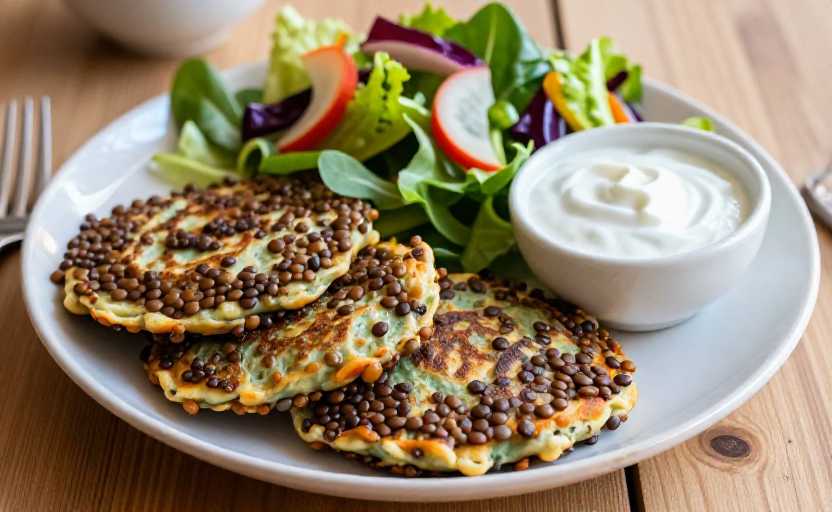
A while ago, I accompanied a friend who was losing weight to the nutrition department for a follow-up consultation. In order to force himself to be "balanced", he set an alarm every day to eat 3 kinds of vegetables, 2 kinds of fruits, 1 egg and 300ml of whole milk. Even when traveling across provinces, he would carry packed freeze-dried vegetables on his back. As a result, I contracted enteritis in half a month due to my natural lactose intolerance. Also, because I ate all the things I didn’t like every day, I couldn’t help but hide in the hotel in the middle of the night and eat instant noodles. Instead, I consumed a lot of trans fat and high salt, and gained two pounds in weight.
To be honest, most of the various balanced diet standards circulating on the Internet are general recommendations for healthy ordinary people, and they really need to be flexibly adjusted to different people. If you regularly go to the gym to build muscle, the proportion of protein must be much higher than that of ordinary office workers. ; If you have gout, even if others say that soy products are nutritious, you still have to control the amount appropriately. Also, the balance taught in traditional Chinese medicine is different from the logic of modern nutrition. People do not count the number of nutrients, but pay attention to the "combination of cold and heat, and the harmony of the five flavors." For example, for people with weak spleen and stomach, even if the dietary guideline says to eat enough 500g of vegetables a day, they cannot eat raw cold vegetables every day. Otherwise, the spleen and stomach will not be able to transport and transform, and no matter how much nutrients they eat, they will not be able to absorb them, which will put a burden on the body.
Oh, by the way, I was chatting with a registered dietitian I know well before, and her tips for ordinary office workers are very practical. You don’t need to buy a food scale at all: just use your own palm as a reference. In a meal, carbohydrates account for the size of a fist. You can switch between grains, polished rice, noodles, and sweet potatoes. Eat whatever you like.; Protein occupies the size of the palm of your hand, including eggs, livestock and poultry meat, fish, shrimp, and soy products. If you are vegetarian, you can get enough by adding more mushrooms and nuts. ; Vegetables should account for two palms, half of which is dark green is best. If you are in a hurry and forget to eat it at noon, you can make up for it by nibbling a small tomato or half a cucumber when you are fishing in the afternoon. You don’t have to stuff all the ingredients into one meal to make up for it.
There is no absolute answer to the question "Are refined carbohydrates garbage?" that is currently very hotly debated on the Internet. Many people say that a balanced diet requires all whole grains, but clinical studies have pointed out that for the elderly with weak digestive ability and children who are in the developmental stage, eating refined carbohydrates in moderation can reduce the burden on the gastrointestinal tract and quickly provide energy to the body. There is no need to chew on indigestible brown rice and beans in order to achieve the "balanced" target. As long as it is not white rice with milk tea cake every day, or occasionally a bowl of white porridge with a meat bun in the morning, it is not considered a dietary imbalance at all.
My grandma is eighty-six years old. She has never read any dietary guidelines in her life. She lives in the countryside and grows her own vegetables. Every meal consists of a small plate of stir-fried green vegetables and a small piece of steamed meat. Sometimes she steams a sweet potato as a staple food. Every once in a while she makes a brown sugar syrup to drink. All the indicators in the last physical examination were within the normal range. She is in better health than many young people who stare at nutrition tables every day and count grams. What she always talks about is "eat a little of everything, don't eat too much of anything, just eat as long as you feel comfortable." In fact, if you think about it carefully, this is the most down-to-earth logic of a balanced diet.
To put it bluntly, a balanced diet is never meant to shackle you, but to help you eat more comfortably and have more energy. Don't be bound by all kinds of rules and regulations. Pay more attention to how you feel after eating. It is much more useful than counting on the nutrition table for a long time.
Disclaimer:
1. This article is sourced from the Internet. All content represents the author's personal views only and does not reflect the stance of this website. The author shall be solely responsible for the content.
2. Part of the content on this website is compiled from the Internet. This website shall not be liable for any civil disputes, administrative penalties, or other losses arising from improper reprinting or citation.
3. If there is any infringing content or inappropriate material, please contact us to remove it immediately. Contact us at: