Fitness and sports aesthetic website
The core essence of fitness and sports aesthetic websites has never been a show for professional players to show off their achievements and create body anxiety for users, but a service carrier that deeply binds "sports as an aesthetic expression of lifestyle" and "accessibility of professional fitness content" - to put it bluntly, what kind of people you want to follow you, you should show what kind of real exercise state.
Two years ago, I helped a CrossFit gym in Hangzhou that had been open for five years to revamp its official website. The gym owner insisted on being "hard-core enough" at first. The carousel on the home page was all close-ups of the gym's trainer pulling a 200kg deadlift with bulging veins. The most impactful color scheme was black with fluorescent orange, and even the button text was changed to "just do it and it's done." Don't tell me, that version of the website has only been online for half a month, and the number of back-end personal training class reservations has dropped by 30%. Many female users left messages saying that they thought they were entering the circle of friends of a fitness supplement agent. They were scared and did not dare to sign up at all.
Among the fitness practitioners I have come into contact with, there are completely two approaches to the aesthetic positioning of the website. There is a group of people who firmly believe in "practicality first" and believe that all fancy aesthetic designs are distractions - fitness itself is anti-human. Users come here just to find useful information, training plans, and action analysis. Superfluous designs are a waste of attention. The official website of a powerlifting blogger I know is a typical example. It doesn’t even have a carousel. The homepage directly displays his latest three major results, a free training plan download entrance, and an offline training camp registration channel. Even the color scheme is cool gray with white text. It looks like a medical data backend, but it cannot stand up to the accurate target users and extremely high fan loyalty. The repurchase rate of the training camp can reach 60%. Their users are originally there to compete, and there is no need for extra emotional value.
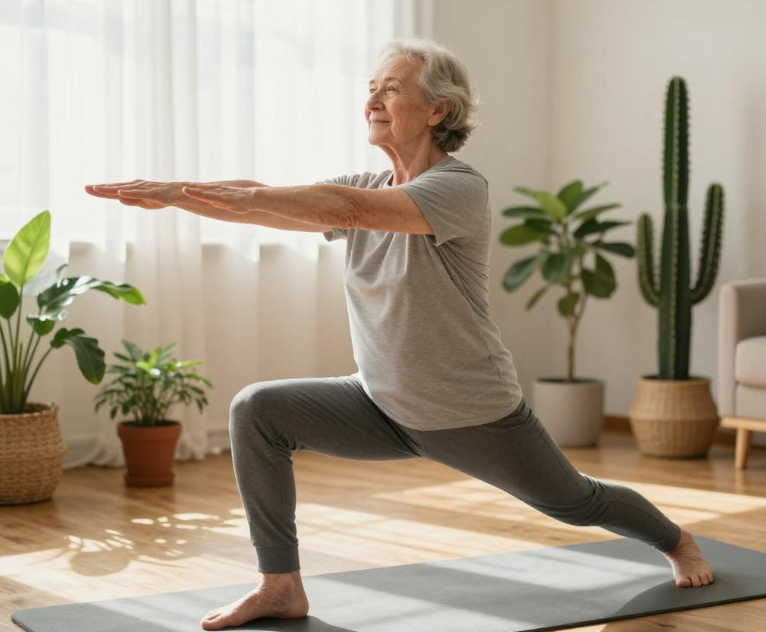
What’s interesting is that last year I came into contact with a team working on a women’s fitness community, and their thinking was completely the opposite. The home page of the official website does not even have any movement teaching content, it is all about the daily life of ordinary users under soft light: a 130-pound mother of two children posted her jogging records after postpartum recovery, a 50-year-old aunt posted a comparison picture of herself practicing glute bridge for half a year, and An office worker who worked overtime until 9 o'clock posted a behind-the-scenes photo of himself stretching at his workstation. Even the fonts were chosen in a gentle style with rounded corners. There was no gimmick about "Lose 10 pounds in 7 days" on the banner, only the sentence "You don't have to train to look like others." They have accumulated more than 20,000 paying members within three months of being online, and they have captured ordinary users who were previously discouraged by the "perfect body standard" of traditional fitness websites.
Many people think that the aesthetics of a fitness website is to put a good-looking shell on the content. In fact, it is not the case. The temperature and hardness of the shell directly determine whether the user dares to reach out and touch you.
I recently helped build a website for a small street fitness team. They said they didn’t want any "explosive" or "hot-blooded" routines. The home page opened a special section called "Non-Highlight Moments": showing behind-the-scenes footage of everyone falling off the horizontal bar in the park, a video of the first time they practiced aerobics until their hands shook until they couldn't hold on, a photo of a group of people squatting on the roadside eating watermelon after summer training, and even a complaint about someone who couldn't pull up a pull-up after practicing for three months. After the launch, the comment area was full of users saying, "Finally, I saw a fitness website that is not pretentious." Their offline street fitness experience class was fully booked within two weeks.
To be honest, the aesthetics of too many fitness websites have fallen into the misunderstanding of templates: they are either uniformly posed with low body fat models, or they have the same slogans. It seems that it is not a fitness website if it does not talk about "self-discipline" and "transformation". The last time I chatted with the street fitness team, they said that they had looked for several website building companies before, and they all insisted that "fitness websites must look like fitness." However, they feel that fitness is the daily life of ordinary people. Sometimes when you are tired and want to give up, when you have practiced for half a year and the scale has not dropped, and when you turn around and eat hot pot after training, putting these real things out is the best aesthetics.
In the final analysis, the ultimate goal of fitness aesthetic websites has never been to teach users how to become someone else, but to help them find the most comfortable version of themselves during exercise. If you think about it from the perspective of a user, when you click on the website, do you want to see a bunch of unattainable perfect bodies, or do you want to see "Oh, it turns out that people like this can also exercise, so can I"? The answer is actually quite obvious.
Disclaimer:
1. This article is sourced from the Internet. All content represents the author's personal views only and does not reflect the stance of this website. The author shall be solely responsible for the content.
2. Part of the content on this website is compiled from the Internet. This website shall not be liable for any civil disputes, administrative penalties, or other losses arising from improper reprinting or citation.
3. If there is any infringing content or inappropriate material, please contact us to remove it immediately. Contact us at: