
Diabetes prevention of hypoglycemia
The core logic for preventing hypoglycemia for diabetic patients has never been "the more sugar control, the better", but the dynamic matching of diet, medication, and exercise. Once one variable changes, the other two must be adjusted accordingly. There is no universal perfect standard.
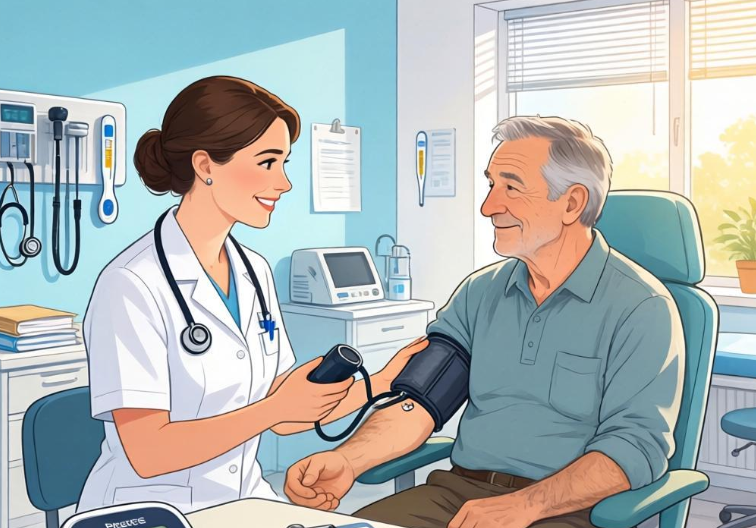
I met 62-year-old Uncle Zhang at a community mutual aid meeting for diabetes patients a while ago. He said that he almost fell down in front of the refrigerator in the middle of the night before. In order to reduce his fasting blood sugar to below 6, he only ate a small bowl of boiled vegetables for dinner for three consecutive days. He still took the insulin at the original 12 units. He slept until about 2 o'clock, sweating all over his body and unable to sit still due to panic. He got up in the dark and ate half a cold steamed bun before he recovered. The fasting blood sugar test the next day soared to 8.2. He was still wondering why he was getting more and more chaotic. I laughed when I heard this. Isn’t this the pitfall that many people with diabetes easily fall into when they are first diagnosed? Just focusing on lowering blood sugar, I completely forgot that medicine follows food and exercise.
In fact, there are two different opinions on the tolerance of hypoglycemia in the sugar circle now, and no one is right or wrong: One group is the "sugar control priority group", which believes that the damage to the fundus, kidneys, and blood vessels caused by long-term high sugar is irreversible. Occasionally, low blood sugar will not have long-term effects as long as you supplement sugar immediately, so you don't need to be too pampered. The other group is the "safety first" group, and the clinical data presented are also very hard - a severe hypoglycemia (blood sugar lower than 2.8mmol/L and impaired consciousness) may directly induce myocardial infarction or cerebral infarction, and even offset the benefits of 10 years of stable sugar control. They would rather have slightly higher blood sugar than risk fainting. I talked about this with Dr. Li from the Department of Endocrinology a while ago, and what he said is very true: Young people, those with short-term illness, and no underlying cardiovascular disease can follow the first group. Occasionally, the blood sugar reaches 3.8 or 3.9. If there is no obvious discomfort, there is no need to rush to stuff sugar. If you are over 65 years old and have a history of coronary heart disease or stroke, no matter what the sugar control target is, as long as you have symptoms of palpitation, hand shaking, and sweating, you should eat sugar first.
To be honest, most hypoglycemia is really not an "accident", it is caused by your own failure to account for variables. Let’s talk about the “universal diet for sugar control” that many people believe in. People eat 100 grams of brown rice and walk 3,000 steps after the meal to have just the right blood sugar. If you added a dose of metformin today and walked 5 kilometers with the community hiking team, and you still eat this amount, it would be weird if you don’t have low blood sugar. Another pitfall that many people fall into is drinking, especially liquor and beer on an empty stomach. They always think that it is okay if the wine does not contain sugar. In fact, alcohol will directly inhibit the output of liver glycogen, which is equivalent to temporarily locking the "sugar reserve warehouse" in the body. Last time, a 40-year-old diabetic went to a wedding. He drank two glasses of liquor before eating, and passed out directly at the dinner table. When he was sent to the hospital, his blood sugar was only 2.1, which scared the whole table.
I have seen too many people with diabetes carry the wrong candies with them. Two boxes of sugar-free mints feel like they are safe, but half a box is useless when they are really hypoglycemic. If you want to bring it, just bring ordinary fruit candies and sugar cubes. If it's too sweet, you can also take a small pack of soda crackers. It's best to use carbohydrates that can be absorbed quickly. When your eyes are really dark and you can't stand, no sugar control goal is as effective as the 15 grams of fruit candies in your hand. There is another small detail that I always mention to my sugar friends: don’t stuff the sugar at the bottom of your bag, just put it in your coat pocket. It’s best to explain your symptoms of hypoglycemia to your family and friends who often go out with you. If you really want to faint, don’t feed them water blindly. Put the sugar in your mouth first, and tilt your head to avoid choking. This is better than anything else.
For those with diabetes who have been ill for more than 10 years, another point to pay special attention to is asymptomatic hypoglycemia - because long-term blood sugar fluctuations damage the nerves, there will be no panic or sweating reaction when the blood sugar drops below 3, and they will directly fall into coma. In this case, do not impose a "fasting below 6" standard. If the fasting can be stable between 7-8, it is completely fine. There is no need to take risks to reduce the indicator by a few tenths.
In fact, to put it bluntly, sugar control is never a tightrope walk. There is no need to pursue every measured value to fall perfectly within the standard range. I know an old aunt who has been suffering from diabetes for 23 years. She still dances squarely every day. Her experience is to "feel your pulse more often": If you want to go to the park today, eat two more mouthfuls of corn before the meal and take 2 less insulin units. Today, you are greedy and ate half a piece of cake, so you will walk an extra 20 minutes after the meal. You will never treat yourself harshly for the sake of numbers. After all, we control sugar to live a good life, not to compete with the numbers on the blood glucose meter, don’t you think?
Disclaimer:
1. This article is sourced from the Internet. All content represents the author's personal views only and does not reflect the stance of this website. The author shall be solely responsible for the content.
2. Part of the content on this website is compiled from the Internet. This website shall not be liable for any civil disputes, administrative penalties, or other losses arising from improper reprinting or citation.
3. If there is any infringing content or inappropriate material, please contact us to remove it immediately. Contact us at:
