Eat a variety of supplementary foods in winter. If you eat the right food, it is a supplement. If you eat it wrong, it will be a disaster.
Winter is the best season of the year to take supplements. There is also a folk saying that "take supplements in winter and you will fight tigers in the coming year" and "Take three or nine supplements in one winter and you will have no pain in the coming year." So, what should you eat to nourish yourself in winter? Here are seven good ingredients for winter supplements that you shouldn’t miss.
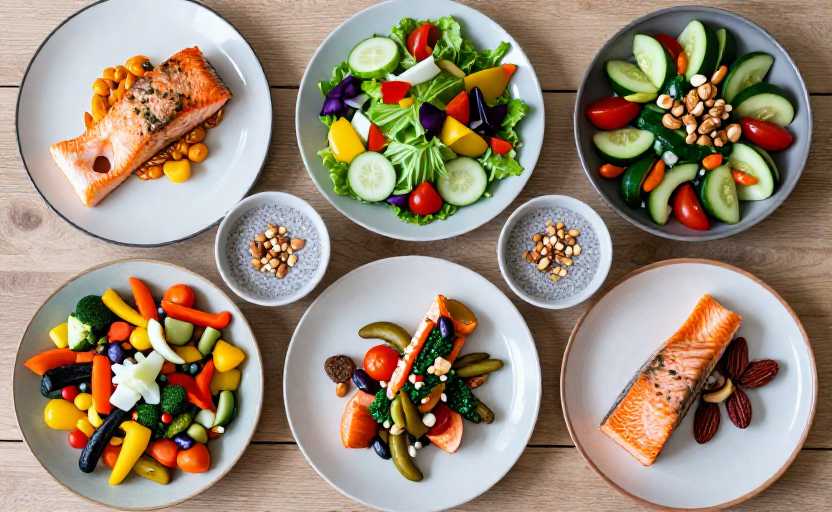
What are the best supplements in winter?
1. Wolfberry
Winter is a good season for replenishing the kidneys, and wolfberry is a good product for replenishing the kidneys. Lycium barbarum is sweet and mild in nature and belongs to the liver and kidney meridian. It can nourish the kidneys and essence, nourish the liver and improve eyesight, nourish the blood and calm the nerves, produce fluid and quench thirst. It is a treasure for the kidneys and liver. In winter when the air is dry and cold, Eye People are prone to dryness and tears. Regular consumption of wolfberry can also alleviate these symptoms.
How to eat: Wolfberry is most suitable for cooking porridge or soup. It can be paired with jujube, yam, etc. If you find it troublesome, there is an easy way to eat it, which is to chew it in the morning and evening to absorb the nutrients more fully. However, you should pay attention to controlling the quantity when chewing wolfberry. It is best to reduce it by half (about 15 berries), otherwise it is easy to be over-nourished.
Note: Wolfberry may control food intake. healthy It is more appropriate for adults to eat about 20 grams (about 30 wolfberries) of wolfberry every day.
2. Brown sugar
It is suitable to warm and tonic in winter. Brown sugar is warm in nature and sweet in taste. It enters the spleen meridian and can "warm and nourish it, warm and unblock it, and warm and disperse it". It has the effects of removing blood stasis and dispersing cold, warming the stomach, strengthening the spleen, and relieving pain. For the elderly who are cold, weak and have reduced hematopoietic function, especially those who have just recovered from a serious illness, brown sugar has good health care effects and is a high-quality and low-cost supplement. Moreover, brown sugar is unrefined jaggery, which retains more vitamins and minerals such as iron, zinc, and manganese, and has higher nutritional value.
How to eat: Brown sugar can achieve different health effects when paired with different foods. For example, boiling poached eggs with brown sugar can make egg It complements the nutrition of brown sugar, making people look rosy and energetic.; Soaking longan in brown sugar and taking dried longan has a positive effect on improving sleep. ; Add some brown sugar to the porridge, which is good for qi and blood.
Note: Brown sugar should be used according to seasonal changes. It is winter now, so you can use it more appropriately, but the daily intake should still be controlled at no more than 25 grams.
3. Red dates
Red dates are sweet and warm in nature, can replenish qi, nourish blood and calm the nerves. They are an excellent tonic in winter. It is rich in iron, which can promote blood circulation and improve physical and mental health after illness. anemia Patients and those with cold hands and feet in winter female They are all suitable for using jujube to regulate the body.
How to eat: It is recommended to fry the red dates in an iron pot until black and then soak them in water to drink, which can treat stomach cold and stomach pain. Adding longan to red date water can be used as a tea, which has the effect of nourishing blood and qi.
Note: Although red dates are good, the fiber content of jujube skin is very high and difficult to be digested. Eating too much at one time can cause stomach bloating. It is recommended to eat it in moderation. Generally, there should be no more than five red dates of normal size. For large red dates, we usually eat two or three, and for smaller dates, we eat eight to nine a day.
4. White radish
Eat radish in winter and ginger in summer. White radish is a seasonal vegetable in winter and a good ingredient for health care. It is advisable to eat white radish in winter, which can remove internal heat and resolve phlegm. White radish is cool in nature, sweet and pungent in taste, and returns to the lung and stomach meridians. It is especially suitable for people with heat in the lungs and stomach, excessive phlegm, flatulence and food stagnation, indigestion, and difficulty in defecation and defecation.
How to eat: In terms of consumption, there are two best partners: if you want to have a cough-relieving effect, combine white radish and rock sugar to jointly achieve the effects of removing phlegm, moisturizing the lungs, and relieving coughs.; If you want to suppress the symptoms of dryness and pain in the throat, you can decoct white radish and green fruits and drink them as tea, which can effectively relieve throat swelling and pain caused by excessive heat in the lungs and stomach.
Note: When eating white radish in winter, you should control the amount of consumption to avoid the cold nature of white radish. Eating too much will lead to deficiency of the spleen and stomach and symptoms of diarrhea、stomach ache and other discomfort symptoms. Generally speaking, it is appropriate to control the daily consumption to about 300 grams. A large radish weighs approximately 450 grams. Therefore, to eat white radish a day, one average-sized radish is enough, and less than one larger one should be eaten.
5. Angelica sinensis
When the weather is cold, eating Angelica sinensis can help the human body keep out the cold. Angelica sinensis is warm in nature and enters the liver, heart, and spleen meridians. It has the functions of nourishing blood, activating blood circulation, regulating menstruation and relieving pain, and moisturizing the intestines and laxative. In winter, if women have severe anemia, insufficient Qi and blood, and look pale, they can take Angelica sinensis to treat it.
How to eat: Angelica ginger mutton soup suitable for cold seasons. Ginger can warm the body and dispel cold, induce sweating and relieve the symptoms ; Mutton is warm in nature, warming and tonifying, and is a food suitable for all ages. The combination of the three can warm the body, nourish blood, dispel cold and relieve pain.
Note: Although Angelica sinensis has a wide range of applications, it is not suitable for people with strong fire, stomach bloating, abdominal distension and long-term diarrhea caused by moisture. People with strong bodies should not eat Angelica sinensis randomly if it is just for health care, otherwise it will easily cause internal heat and cause illness instead of preventing it.
6. Astragalus
Winter season, cardiovascular and cerebrovascular diseases disease A period of high incidence follows, with weak constitution and easy cold , People who are afraid of cold also need to strengthen their physical fitness. Traditional Chinese medicine believes that when qi moves, blood moves, and when qi stagnates, blood stasis occurs. Astragalus has always been considered an expert in replenishing qi and strengthening the surface. It is slightly warm in nature and belongs to the lung, spleen, liver and kidney meridians. It is especially good at replenishing qi and is very suitable for the above two types of people. Astragalus has the characteristics of "tonifying but not greasy". Proper consumption can help strengthen physical fitness and relieve fatigue.
How to eat: Astragalus has many uses and can be paired with various meats. Astragalus lean meat soup can warm the heart, dispel cold, and improve cold resistance. ; Astragalus stewed beef can nourish qi and lungs, nourish the heart and calm the mind ; Astragalus stewed chicken soup is suitable for people with weak spleen and stomach qi and weak lung qi. It is good for relieving Postpartum It is effective for people with physical weakness, sallow complexion, and prone to sweating. Depending on personal circumstances, you can also add some other ingredients when eating astragalus. For example, people with weak qi and blood can add some red dates, people who want to nourish the liver and moisten the lungs can add a little wolfberry, and people with weak spleen and stomach, and physical fatigue can add an appropriate amount of poria.
Note: People with obvious yin deficiency and stagnation of heat, such as heat in the palms, soles and heart, distension and stuffiness in the flanks, constipation and other symptoms, should eat with caution.
7. Gorgon fruit
As the saying goes: Eating gorgon seeds in winter will sweep away the cold and dampness in the body for a year. Gorgon fruit, also known as "chicken head rice", "chicken head", etc., is a highly nutritious food. It can strengthen the spleen and remove dampness, strengthen the kidneys and stop diarrhea. It has the advantages of tonic but not harsh, preventing dryness and not greasy, and is suitable for the traditional concept of "tonifying winter".
How to eat: Fresh or dried gorgon seeds can be chewed directly after being soaked in water. You can also cook them with lotus seeds, poria, and yam to make Sishen soup. It has the effects of strengthening the spleen, diuresis, and tonifying the kidneys, and is suitable for most people to drink. People who often stay up late, have acne, are prone to mouth breakage, and are often constipated are especially suitable to drink Sishen Decoction to nourish yin, strengthen the spleen and stomach, and stabilize the digestive system.
Note: Do not eat too much gorgon seeds at one time, otherwise it may cause constipation. Do not exceed 100 grams a day.
Principles of winter supplementation
1. Quit getting tired: For people who are not in good physical condition and have indigestion of the spleen and stomach, winter supplements should not be too greasy and should be easy to digest.
2. Avoid bias: When taking supplements, you should take into account the yin and yang of qi, blood, and do not blindly supplement to prevent excessive deviations from causing other diseases.
3. Stop relying on supplements: It is not a good idea to just rely on supplements to maintain your health. You should pay attention to dietary adjustments, proper exercise, use your brain more, and avoid evil and stay calm.
4. Stop taking supplements randomly: First of all, you need to understand whether you should take supplements and what you should take. You must know what kind of body type you have and where you need supplements. People's constitutions are different, such as Qi deficiency, blood deficiency, Yin deficiency, Yang deficiency, Qi and blood deficiency of both Yin and Yang, etc. Therefore, careful analysis is required, and it is best to make a judgment under the guidance of a doctor. Only in this way can we be targeted and not violate the precept of falsehood and reality.
5. Avoid taking inappropriate supplements: When you suffer from a cold, constipation, lack of sleep, or are in a bad mood, you should take supplements with caution, and it is best to take appropriate supplements under the guidance of a doctor.
Supplementation methods for people in different regions
1. North: Dry and cold food needs to be replenished by heat, so it is best to choose something that is warm and hot like mutton. You might as well add some ginger when cooking to help dispel cold. Chestnut has the effect of resisting cold and nourishing the kidneys. It is very suitable for tonic in winter. It can be eaten alone or cooked. In addition, millet nourishes people and is best for making porridge. Recommended: radish and mutton soup, millet porridge.
2. South: Humidity, coldness and dampness require diuresis. Southerners should mainly take warming tonic. Chicken, duck and pork are warm in nature and are more suitable. The south is more humid, so it is best to eat more foods that can remove dampness, such as winter bamboo shoots, bamboo shoots, lotus root, etc. To nourish the kidneys in winter, southerners can choose wolfberry, chestnut, etc. When it comes to cooking porridge, rice is mainly used in the south, and some whole grains to remove moisture can be used. Recommended: Bean curd and duck soup, rice and coix seed porridge.
3. East: Suitable for "warming and tonic" in the cold and dry winter in the eastern region, chicken and duck meat are mainly tonic. Recommendations: Asparagus and chicken soup, rice and oatmeal porridge.
4. West: It is advisable to "moisturize" the northwest region, which is windy and dry. In addition to "heat tonic" like most northerners, you also need to pay special attention to "moisturizing", that is, eating more foods that moisturize the lungs. Lily, lotus root, almonds, ginkgo, white fungus, fungus and other sweet and moisturizing foods are good choices. People in southwestern regions such as Sichuan, Hunan, and Hubei are accustomed to eating spicy food, also because the local humidity is relatively high. When taking supplements in winter, you might as well add more ginger and chili for seasoning according to your habit. Recommended: winter melon and mutton soup, sorghum and millet porridge, bamboo shoots and pork ribs soup. (Reference website: Qili Fashion)
Disclaimer:
1. This article is sourced from the Internet. All content represents the author's personal views only and does not reflect the stance of this website. The author shall be solely responsible for the content.
2. Part of the content on this website is compiled from the Internet. This website shall not be liable for any civil disputes, administrative penalties, or other losses arising from improper reprinting or citation.
3. If there is any infringing content or inappropriate material, please contact us to remove it immediately. Contact us at: