
Elderly health education promotion content
The core of health education for the elderly has never been to copy a unified health-preserving template, but to focus on the four core directions of "chronic disease management, daily protection, psychological adjustment, and cognitive maintenance", tailor-made adjustments based on the individual conditions of the elderly, while avoiding false health-preserving misunderstandings, and ultimately improving the quality of life.
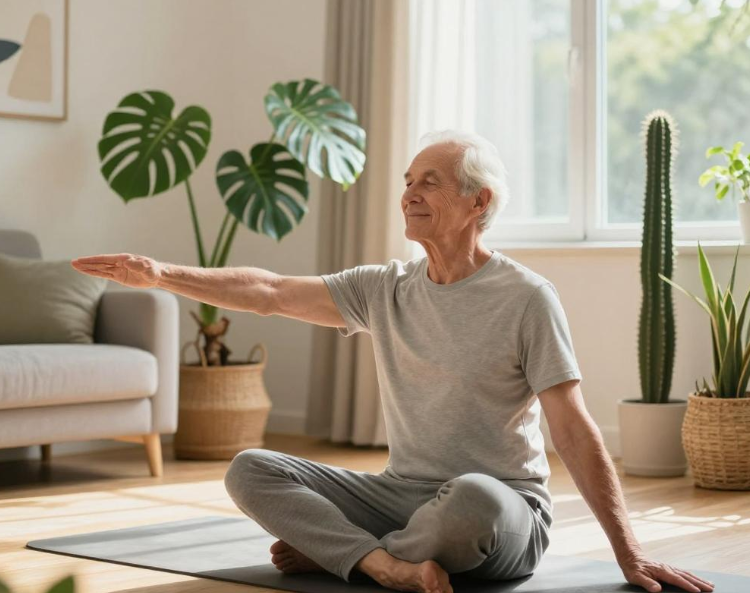
In the past two years, we have visited 17 communities and given health lectures to more than 2,000 elderly people. We have encountered too many examples of detours. The one who impressed me the most was 62-year-old Aunt Zhang, who had suffered from high blood pressure for 5 years. She saw on a short video that "Panax notoginseng powder can replace antihypertensive drugs to open blood vessels." She secretly stopped taking the medicine for half a month. She was so dizzy that she couldn't stand and was sent to the emergency room. Her blood pressure soared to 180/110. When it comes to chronic disease management, there are indeed two different ideas in the industry: one is to strictly follow clinical guidelines, requiring all patients to keep their blood pressure, blood sugar, and blood lipids below a unified standard line; the other is "individualized standards" that have been increasingly advocated by geriatrics in recent years. For example, for the elderly over 80 years old and with many underlying diseases, blood pressure does not need to be stuck at 140/90mmHg, but systolic blood pressure should be controlled within 150mmHg to avoid the risk of insufficient blood supply to the brain and falls if it falls too low. When we educate the elderly, we will not impose rigid standards. We will first ask about their age and whether they have any other underlying diseases, and then give appropriate suggestions. By the way, there is also the most frequently asked question about health products. Current evidence-based medicine evidence shows that no health products can replace prescription drugs for lowering blood pressure, blood sugar, and lipids. Regular dietary supplements such as vitamins and calcium can be used as supplements. However, if you encounter someone who claims to "cure all diseases" or "cure diabetes," just turn away.
After talking about chronic diseases, which are the most common pitfalls, let’s talk about the daily protection that everyone most easily ignores. There used to be a 71-year-old Uncle Li. He always felt that his body was tough in winter and refused to wear thick pants. He slipped and fell when he went out on a snowy day. He fractured his femoral neck and lay down for three months. After recovering, he couldn't even walk. Many people think that daily protection means repeated reminders to "be careful of falling". In fact, they are empty and should be focused on specific small things: such as installing a handrail that costs more than ten yuan next to the toilet in the bathroom. When buying shoes, don't buy good-looking leather-soled shoes. Choose ones with tendon soles and anti-skid patterns. Even if you go out in winter, don't put thin gloves in your pocket, so that you can hold them up if you slip. Speaking of which, there is another controversial point: Should we install anti-fall alarms for elderly people living alone? Some family members feel that installing cameras and wearable alarms will infringe on the privacy of the elderly, and the elderly themselves feel "like they are being watched." Some family members feel that they can save lives at critical moments. Our community's current compromise is to give the elderly two choices: either install a pull cord alarm hung on the wall, which will only sound when something happens, or wear a bracelet that can be turned off manually.
Many people think that health in old age means being free from illness and pain. In fact, feeling unhappy is more annoying than high blood pressure. There used to be a 70-year-old Aunt Wang. After her husband left, she stayed at home every day. Her blood pressure fluctuated and she couldn't control it after taking several medicines. Later, we took her to the community choir and sang for three months. Her blood pressure stabilized and she started to laugh again. Regarding the psychological adjustment of the elderly, there are now two different views: one group of experts believes that the elderly should be encouraged to be exposed to more new things, learn to use smartphones, watch short videos, make friends online, and keep up with the times; the other group believes that there is no need to force the elderly to "fashion". If the elderly like to squat downstairs to play chess, dance in the square, and grow vegetables, as long as they can have their own social circle and have something to do, they can be comfortable however they want. We also agree with the latter. After all, happiness is the most important thing. There is no need to put a psychological burden on the elderly just to "keep up with the times".
As for the prevention of cognitive deterioration that everyone often asks about, there are currently no clear and effective drugs or health products that can block the progression of Alzheimer's disease. The most reliable way is to use your brain more and use your hands more: playing mahjong, learning to draw, doing handicrafts, and even going out to buy groceries and do accounts every day are all useful. There is no need to deliberately buy any "brain-building courses". Things that the elderly are willing to do are the best brain-building activities.
Hey, to be honest, after having been doing health education for the elderly for so long, our biggest feeling is: don’t regard the elderly as “the target of education”. Those cookie-cutter health posts are like one-size-fits-all clothes. Some people wear them, but some people wear them. Not only do they not fit, but they may also trip and fall. Sit down and chat with the elderly more often, ask them what they usually like to eat and do, and embed health requirements into their living habits - for example, if they like sweet foods, replace white granulated sugar with steamed pumpkins and steamed sweet potatoes, which is much more effective than forcing them to give up sugar. To put it bluntly, health education for the elderly has never been about setting rules for the elderly. It is about helping them live more comfortably. After all, being able to eat and sleep well happily is better than any perfect indicator.
Disclaimer:
1. This article is sourced from the Internet. All content represents the author's personal views only and does not reflect the stance of this website. The author shall be solely responsible for the content.
2. Part of the content on this website is compiled from the Internet. This website shall not be liable for any civil disputes, administrative penalties, or other losses arising from improper reprinting or citation.
3. If there is any infringing content or inappropriate material, please contact us to remove it immediately. Contact us at:
