
Lecture experience on the prevention and treatment of geriatric diseases
Geriatric diseases have never been "a disease of the elderly alone". Prevention does not rely on health products, and treatment does not rely on force or leaving it all to doctors. The core is personalized dynamic management + lifestyle adjustment with the participation of the whole family. There is no standard answer that suits everyone.
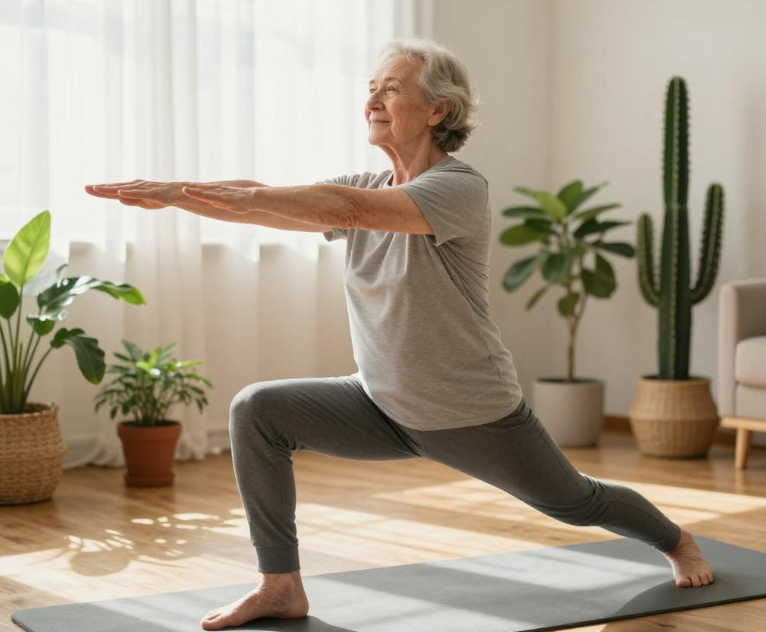
I accompanied my mother to the class last Saturday. The lecturer was Director Li from the Geriatrics Department of the First Hospital of the City. He has been working in clinical practice for almost 30 years. As soon as he started, he pushed several boxes of sponsored health products placed by community workers to the corner and said, "I am not going to stand up for any products today. I am talking about real things that I see every day in the clinic." My mother's pen, which she originally intended to write down the "must buy list", stopped.
Don’t tell me, there are many things that we previously regarded as “common sense”. In fact, there is no unified conclusion in the academic community at all. For example, everyone is talking about "the elderly should take more calcium supplements." Director Li said that he just received a 72-year-old aunt last week, and she takes 3 kinds of imported calcium tablets with high-calcium milk every day. She had kidney stones during a physical examination last month, so she just took supplements. Now the Nutrition Society recommends that the elderly consume 1000-1200mg of calcium every day, but colleagues in the nephrology department will recommend that the elderly with renal insufficiency limit their intake to 800mg. Is there any reason why "everyone should take calcium tablets"? First check the blood calcium and bone density, and then calculate the calcium content in the daily diet. The correct amount is the correct amount to supplement. If you supplement it randomly, it will cause problems.
When it comes to taking medicine, I think of my grandma. She has suffered from high blood pressure for 10 years and always felt that antihypertensive medicine would harm the liver, so she secretly halved the dosage and refused to listen to her advice several times. Director Li also mentioned this issue this time, saying that half of the patients with cerebral hemorrhage in the outpatient clinic were caused by their own indiscriminate discontinuation of antihypertensive drugs. However, he did not put his words to death: many studies in the field of traditional Chinese medicine have confirmed that elderly people with mild essential hypertension and no other underlying diseases can indeed stabilize their blood pressure in the normal range within half a year through a low-salt diet, regular work and rest, and appropriate traditional Chinese medicine conditioning, without the need for lifelong medication. The core thing is that you have to monitor it regularly. Don’t think that everything is fine just because you are “regulating”. If your blood pressure exceeds 140/90 for a week in a row, you have to take medicine when you need to. Even if you take it for a lifetime, the side effects will be far less than the risk of stroke.
An old man wearing Tai Chi suit stood up and asked a question, saying that he does Tai Chi for an hour every morning and walks 10,000 steps in the evening. His knees have been hurting recently. Is his exercise intensity not enough? Director Li laughed at that time and said that he was almost 60 years old and could walk up to 6,000 steps a day, all on flat ground. His colleagues in the Department of Orthopedics were always telling the elderly not to climb stairs or mountains because it would cause too much wear and tear on the knee joints. However, he also knew friends in sports medicine who said that as long as there is no pain or soreness lasting more than 24 hours after exercise, it is okay to walk 10,000 steps a day. "There is no standard for how many steps you must walk. Your own physical sensation is more accurate than any health science figures." After listening to this, the uncle touched his knees and said happily, and uninstalled the step clocking applet on his phone when he got back.
Oh, by the way, there is another point that I didn’t take seriously before: oral health. Director Li said that many elderly people always think that "it is normal to lose teeth as we age." In fact, if periodontal disease is not treated for a long time, the bacteria will travel along the blood to the heart and kidneys, and even increase the risk of diabetes and Alzheimer's disease. He managed an 80-year-old man whose blood sugar had been unstable no matter how he controlled it. Later, his periodontal disease was cured and his antidiabetic medication was reduced by half. This really overturned my previous understanding.
When the show was over, my mother deleted the post on her phone that contained "10 must-buy health products for the elderly" and said that she would go to the community hospital to check her bone density and have her teeth cleaned this week, so that she would no longer secretly reduce her antihypertensive medication. I also thought about it. I used to think that buying expensive supplements for the elderly and buying the most expensive physical examination package was filial piety. Now I know that eating home-cooked meals with less salt twice a week, walking slowly in the park with her for half an hour after meals, and regularly helping her organize blood pressure and blood sugar records are more effective than all the flashy things.
To be honest, I always felt that this kind of public welfare lecture was just a formality before, but this time I discovered that the truly useful elderly health knowledge is never some high-end black technology, but is the truth that fits everyone's life.
Disclaimer:
1. This article is sourced from the Internet. All content represents the author's personal views only and does not reflect the stance of this website. The author shall be solely responsible for the content.
2. Part of the content on this website is compiled from the Internet. This website shall not be liable for any civil disputes, administrative penalties, or other losses arising from improper reprinting or citation.
3. If there is any infringing content or inappropriate material, please contact us to remove it immediately. Contact us at:
