Key points of daily care for the elderly include
There is no universal standard for adaptive safety protection, personalized chronic disease management, refined physiological care, and equalized emotional support. All operations must be based on the actual feelings and physical status of the elderly. I have been working as a front-line nurse in a community nursing home for 6 years, and I have seen too many families fall into the trap of copying the "standard care list" on the Internet. Here I will break it down based on the actual cases I encountered.
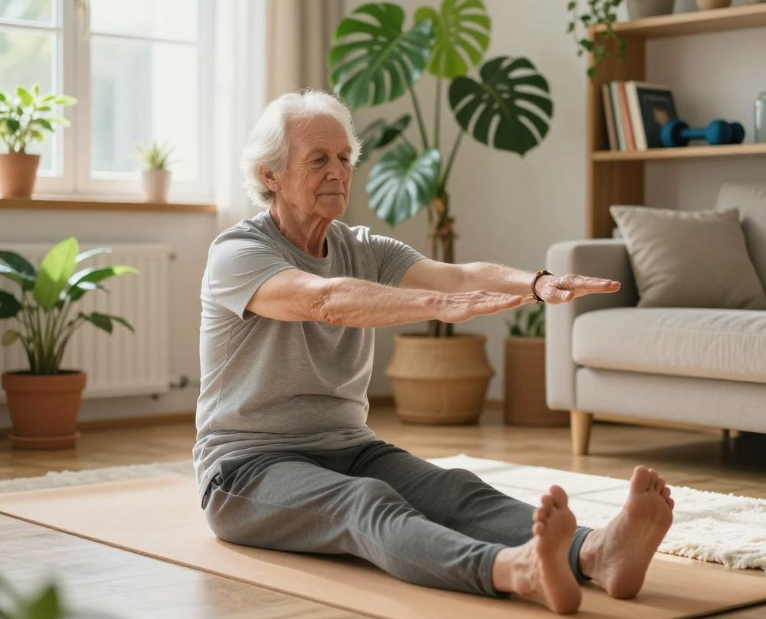
What is most likely to cause big problems is the details of home security that many people do not pay attention to. It’s not alarmist. The one-year mortality rate after a hip fracture in the elderly can reach 20%-30%. Many people think that falls are caused by slippery roads. In fact, many of them are caused by trivial problems. Last year, there was a 78-year-old aunt in our area. Her children were filial and she bought a soft memory foam mattress that cost tens of thousands of dollars. As a result, when the old woman got up in the middle of the night and sat up, her feet were not firmly planted. She slipped and fell and fractured her hip. She could have gone to square dance every day, but she couldn't get out of bed anymore. There are now two different opinions on the aging-friendly renovation of homes. Those who engage in home decoration think that installing handrails and anti-slip mats throughout the house is too ugly, which makes the elderly upset, while those in clinical care say that the risk of not installing them is too high. In actual practice, we can actually compromise and choose non-punch handrails in the same color as the ceramic tiles. Wearing a flannel cover does not feel cool to the touch, and choosing anti-slip mats that are close to the pattern of the floor can solve the problem without being obtrusive. My own experience is that don’t just look at the “safety and unsafeness” of things. First, check whether the elderly are willing to use them. No matter if the anti-slip slippers you buy meet the standards, if he thinks they are ugly and refuses to wear them, it is a waste of time.
After solving the bottom line problem of not falling, the next most frustrating thing is chronic disease management. Don't always stare at the words "take medicine on time". Sometimes the rebelliousness of the elderly is more serious than that of children. Uncle Zhang, who is connected to our post station, has high blood pressure. His children used to stare at the medicine every day. He hid the medicine when no one was paying attention. He just felt dizzy. Well, he had a stroke last winter and was sent to the emergency room. Later, we got him a cartoon medicine box and tied the medicine time to his daily habits - he took antihypertensive medicine after watching "Xinwen Lianbo" and took antihyperlipidemic medicine after listening to storytelling. He never forgot it again. Controversy has never stopped regarding the scale of chronic disease control. For example, sugar control. Some endocrinologists believe that people over 70 years old do not need to be so stuck. A fasting blood sugar of 7-8mmol/L is acceptable. If it is too strict, it may lead to the risk of hypoglycemia and fainting. According to the Department of Nutrition, Doctors also believe that long-term high blood sugar can easily cause fundus and kidney complications. Our usual advice to the elderly is to make flexible adjustments. If the elderly are really craving for sweets, give them a small piece of sucrose-free mung bean cake to relieve their addiction. It is much safer than not allowing them to eat at all.
Many people think that nursing is just about not falling off and taking medicine on time. In fact, there is a lot of invisible knowledge hidden in daily physiological care. I have seen too many family members make porridge for the elderly every day, thinking that it is soft and easy to digest. In fact, long-term consumption of liquid food will make the elderly's masticatory muscles and swallowing functions deteriorate faster, and they will also be prone to malnutrition. Properly giving steamed corn segments and braised beef cubes can not only exercise chewing ability, but also make the elderly eat happily. There is also oral care, which many people ignore. Among the causes of aspiration pneumonia in long-term bedridden patients, more than 30% are related to insufficient oral hygiene. If the elderly who wear removable dentures do not take off their dentures and clean them before going to bed, the hidden bacteria can easily enter the lungs along the respiratory tract. There are also different opinions on the frequency of wiping the body of bedridden elderly people. Caregivers in the south are used to wiping every day, otherwise they will easily get bedsores. Caregivers in the north think that wiping once every two or three days in winter is enough, otherwise the elderly will easily catch cold. In fact, it can be adjusted according to the room temperature. If the heater is turned on in winter, wipe the upper body every day and the lower body once every two days. It depends on how comfortable you are.
If these physiological care are sufficient, the most important thing is physical comfort. To make the elderly really live a prosperous life, emotional support is more important than anything else. There used to be a grandma Li, and her children came every week to buy a bunch of imported health care products. But when she came, she would sit on the sofa and play with her mobile phone. Grandma Li would sit on the balcony every day in a daze. Later, we opened a handmade hydrangea class at our post station, and the hydrangea made by grandma Li were bought by tourists for 20 yuan. She held on to the 20 yuan to show off to others every day, and she was happier than her children giving 20,000 yuan. Nowadays, there is a fierce debate about whether to send the elderly to nursing homes. Some people think that sending them there is unfilial, and some people think that they have no time to take care of them, and it is more secure to leave it to professionals. In fact, there is really no standard answer. We have a grandfather here who went to a nursing home and played chess and cards with the old men every day. He gained ten pounds. There are also elderly people who tried to stay for two days and then clamored to go home. In the end, they hired live-in caregivers and lived well. The core is never the formality, but whether the elderly people are willing or not.
To be honest, caring for the elderly is never about getting a perfect score. There is nothing that must be done. Sometimes the imported protective gear that you went through so much trouble to buy would be more useful than just sitting down and listening to him talk about the past in the production team half an hour ago. Observe more, ask more questions, and follow the wishes of the elderly more, which are more reliable than standardized care points.
Disclaimer:
1. This article is sourced from the Internet. All content represents the author's personal views only and does not reflect the stance of this website. The author shall be solely responsible for the content.
2. Part of the content on this website is compiled from the Internet. This website shall not be liable for any civil disputes, administrative penalties, or other losses arising from improper reprinting or citation.
3. If there is any infringing content or inappropriate material, please contact us to remove it immediately. Contact us at: