
An effective way to improve immunity
Currently, the core effective way to improve immunity that is recognized by the world of immunology, nutrition, and sports medicine is essentially to do the four things of "balanced diet, regular work and rest, moderate exercise, and emotional stability." There is no single "magic method". All promotions that claim to be quick in 7 days and that a certain supplement can greatly improve immunity fall into the category of IQ tax.
Last month, I had dinner with a senior sister from Xiehe Nutrition Department. She also complained about the recent outpatient clinic encounters where many people took out their mobile phones and asked if they could buy the imported immunoglobulin tablets sold in the live broadcast room for 399 a bottle. Would they prevent colds after eating them? Every time, she would earnestly advise: Go back and replace your daily iced milk tea with warm boiled water, and order two less pre-made takeout meals that are heavy in oil and salt every week. It is much more useful than taking 10 bottles of supplements.
Oh, by the way, there are actually two different voices in the academic world regarding whether supplements are useful or not. There is no need to stand on either side. The mainstream view of evidence-based medicine is that as long as your daily diet is rich in variety and there are no confirmed nutrient deficiencies, supplementing with various immune-related supplements has little benefit, but may have risks. For example, long-term excessive vitamin C supplementation can increase the risk of kidney stones, and excessive intake of vitamin A may also cause acute poisoning. However, researchers in functional medicine have also pointed out that many young people are prone to "subclinical nutrient deficiencies" due to long-term stress and highly processed foods. For example, people who stay up late all year round are generally deficient in B complex, and people who rarely get sunlight in autumn and winter in the north are mostly deficient in D3. In this case, targeted supplementation can indeed help the immune system maintain normal operation.
Let me tell you a true story from a real person around me. In the past two years, I had a friend who worked in the Internet industry. He caught colds three times in a row last winter. He was so anxious that he directly applied for an annual fitness card. After get off work every day, he struggled to exercise for two hours despite being exhausted. As a result, his fever reached 39 degrees after practicing for half a month. He went to the hospital and the doctor said that he was overexercising. In fact, many people don't know that after long-term high-intensity exercise, the body will have an "immune window period" of 3-72 hours. During this period, viruses and bacteria are more likely to invade, and the gain outweighs the gain. The recommendations given by the WHO are actually very practical. A total of 150 minutes of moderate-intensity exercise per week is enough. This means you can walk briskly, do aerobics, or even clean the whole house. It is enough to sweat a little and be able to speak normally but not sing loudly. There is no need to force yourself to high-intensity training to gain a sense of presence.
When I was working on a project two years ago, I tried to sleep only more than 5 hours a day for a week. Later, I went for a routine physical examination. The immunoglobulin IgG index was 14% lower than when I usually slept for 7 hours. The doctor said at that time that sleep is the golden period for the immune system to repair. If you don't let it rest, it will naturally not be able to work well. But don’t be fooled by the idea that “you must sleep for eight hours”. I know a senior who is doing basic medical research. He is born with a short sleep constitution. He sleeps five hours a day and is still energetic during the day. His annual physical examination and immune indicators are all normal. The key is whether you have a persistent feeling of fatigue after waking up, rather than trying to squeeze in the number of hours to sleep.
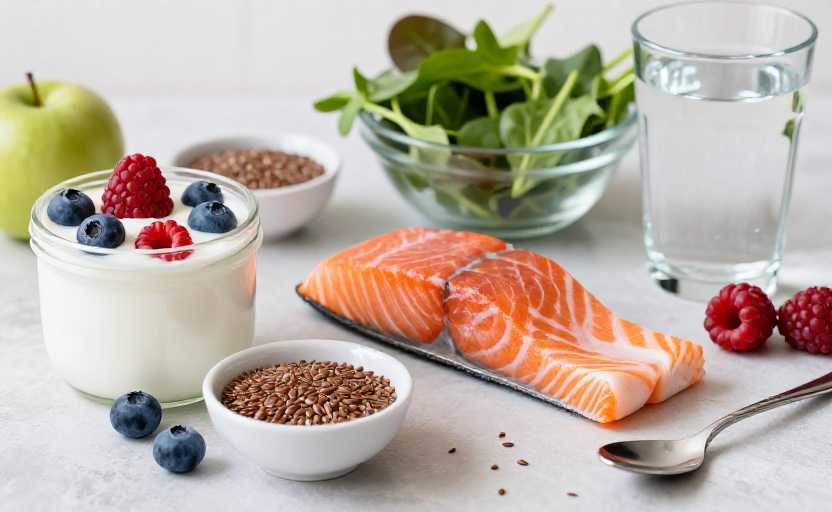
There is a nurse next to me who has been in the immunology department of a tertiary hospital for 8 years. Her dietary principles are very simple: "not picky, not too much, not extreme." She eats two fists of vegetables and one fist of meat, eggs and beans every day. She eats whole grains two or three times a week. She occasionally drinks milk tea and eats hot pot with friends. She never forces herself to eat unpalatable boiled vegetables just to "boost her immunity." Some patients have asked her before if being a vegetarian is better for immunity. She said that she had met a girl before who had been on a vegetarian diet for half a year in order to improve her immunity. She was found to be deficient in iron and B12, and her immunity was even lower than before. The key is to have a balanced nutrition, and it is not a question of whether to eat vegetarian or not.
Oh, by the way, there is another misunderstanding that many people don’t know: the higher the immunity, the better. It needs to be “balanced”. If the immune system is too active, it will in turn attack your own normal cells. Autoimmune diseases such as lupus erythematosus and rheumatoid arthritis are essentially caused by "excessive" immunity. So don't blindly pursue "super immunity". Just keep it in a normal and stable state.
In fact, after all, immunity is your body's own "bodyguard". If you feed it garbage every day, stay up late, and tire it to death, no matter how expensive supplements you take, it won't be able to save it.; You eat normally and sleep well, don't mess with it, it will naturally help you block external germs, and there really aren't that many bells and whistles.
Disclaimer:
1. This article is sourced from the Internet. All content represents the author's personal views only and does not reflect the stance of this website. The author shall be solely responsible for the content.
2. Part of the content on this website is compiled from the Internet. This website shall not be liable for any civil disputes, administrative penalties, or other losses arising from improper reprinting or citation.
3. If there is any infringing content or inappropriate material, please contact us to remove it immediately. Contact us at:
