
Vaccination Guidelines 2024 Latest Edition
General healthy people have three priority vaccinations - influenza vaccine (once a year), COVID-19 vaccine containing XBB variant components (once a year, high-risk groups can get it once every six months), and herpes zoster vaccine for those over 50 years old; special groups (chronic disease patients, immunocompromised people, infants, and pregnant women) can Under the guidance of a doctor, additional adapted vaccines such as pneumonia, hand, foot and mouth, and HPV should be vaccinated; except for the two absolute contraindications of active acute disease and severe allergy to vaccine components, most other situations can be vaccinated normally. The statements posted online such as "the vaccination interval must be at least 6 months" and "cannot be vaccinated if you have underlying diseases" are not general rules.
Many people have asked me in the background recently, "I was positive three times last year and my antibodies are still high. Is it still necessary to get the COVID-19 vaccine?" There is indeed no completely unified conclusion in the academic circles on this issue: the official guidance of the CDC says that regardless of past infection history, as long as it has been 3 months since the last infection or the last vaccination, you can get the XBB strain vaccine, especially Priority is given to people over 60 years old, people with underlying diseases, and people with low immunity; while some public health agencies in Europe and the United States believe that healthy people aged 18-59 who have had a history of infection in the past 6 months and do not have a high risk of exposure can postpone vaccination. After all, the pathogenicity of the XBB strain has been significantly reduced at this stage, and most healthy people have mild symptoms after infection. Both views are supported by data. You can choose based on your actual situation. If you usually commute by subway and often come into contact with people, there is definitely no harm in getting it. If you usually work from home and rarely go out, and you are young and healthy, there is no problem in taking a break for a month or two.
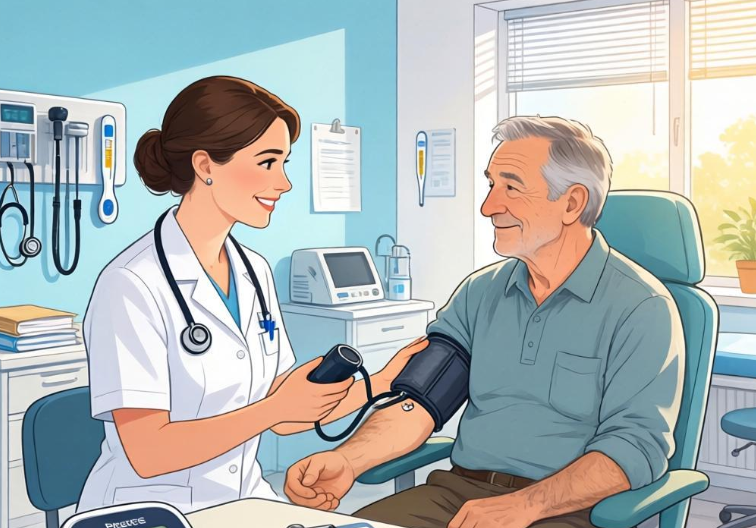
Last week I accompanied my mother to a community vaccination site to receive the shingles vaccine. A doctor in a white coat smelling of disinfectant was registering a programmer with black-rimmed glasses and red bloodshot eyes. I leaned over and listened for a few words. It turned out that it was him who stayed up late last month to catch up on the project. Two of his colleagues around him got herpes zoster one after another, and the pain was so painful that they could not even touch the keyboard. I couldn't get it, so I came here to ask if I could get it. Now the age for shingles vaccination has been relaxed to 40 years old. Anyone without severe immune deficiency can get it. He scanned the QR code and paid for it on the spot, saying, "It doesn't hurt to spend more than a thousand, and it's much more cost-effective than taking a week's sick leave and deducting your salary." Don't tell me, this is really true. The current second-generation recombinant herpes zoster vaccine has a protection rate of 97%. Even if you do get infected later, the symptoms will be much milder. Last year, my old sister who was a square dancer got herpes zoster.
Oh, by the way, many girls used to wonder whether they should wait for the nine-price HPV vaccine. The new guidelines for 2024 have made it clear that you don’t have to wait for the nine-price HPV vaccine. You can get whatever you want. The two-price and four-price HPV vaccines protect high-risk types 16 and 18. It is the same as the 9-price treatment, which can cover more than 90% of the risk of cervical cancer. If you are already 25+ and have not yet made an appointment with the 9-price treatment, you can just buy the 2-price treatment. Early treatment and early protection will only increase the risk of infection if you wait three or four years, which is not worth the gain. My best friend used to insist on nine-price, and she didn’t make an appointment for three years. Last year, she got tested positive for HPV16. I cried for several days. Fortunately, it was just a transient infection. After it turned negative, she immediately went to get a second-price appointment. She said that if she had known better, she would not have waited.
To be honest, I have been vaccinated for so many years, and the only time I had a major reaction was when I received the inactivated COVID-19 vaccine in 2022. I had a fever of 37.8 degrees for a day, and it subsided after drinking two pots of hot water. The remaining flu vaccines and HPV vaccines only made my arms sore for a day or two, but nothing happened. Most of the people on the Internet who said they got seriously ill after vaccination were accidental reactions. Last year, friends from the CDC in our district said that they investigated 12 cases of "serious illness caused by vaccines" that were reported online. In the end, 11 cases were found to have underlying diseases, which happened to occur after vaccination. The remaining 1 case was a severe allergy, which recovered quickly after being sent to the hospital. There is really no need to panic too much. Of course, I am not saying that vaccines are 100% safe. After all, any medical product has a probability of adverse reactions. The probability of severe allergies is about one in a million, which is lower than the probability of being hit by a car when you go out. There is no need to stop eating due to choking.
If you have plans to travel overseas this year, be sure to check the vaccination requirements of your destination in advance. For example, in some countries in Africa and South America, yellow fever vaccination is compulsory, and you will not be allowed entry without a vaccination certificate. My colleague went to Kenya to watch animal migration last year and forgot to take the yellow fever vaccine. He was deported directly to the airport, and the air tickets and hotels were all in vain. There was no place to cry. If you go to Southeast Asia, it is recommended to get vaccinated against cholera and dengue fever in advance. Although the street food there is delicious, the sanitary conditions are really uneven. Another colleague of mine went to Thailand last year and ate mango sticky rice on the roadside. He had diarrhea for a whole week and lost 8 pounds when he came back. He said that if he had known if he had been vaccinated, he would not have suffered this problem.
In fact, getting vaccinated is essentially buying a small insurance for your body. You don’t have to follow the trend to rush for popular vaccines, and don’t deliberately resist all vaccines. If you are not sure, go to the community vaccination site and ask the doctor. People do this every day, which is more reliable than reading ten "expert opinions" online. After all, everyone's physical condition and life situation are different, and the one that suits you is the best.
Disclaimer:
1. This article is sourced from the Internet. All content represents the author's personal views only and does not reflect the stance of this website. The author shall be solely responsible for the content.
2. Part of the content on this website is compiled from the Internet. This website shall not be liable for any civil disputes, administrative penalties, or other losses arising from improper reprinting or citation.
3. If there is any infringing content or inappropriate material, please contact us to remove it immediately. Contact us at:
