
Electronic version of Handbook on Prevention of Common Diseases in Children
(Compiled by the front-line medical team of the pediatric outpatient clinic of a tertiary hospital and 32 community child care doctors, based on the follow-up data of 12,000 children aged 0-12 years old from 2021 to 2024)
The core conclusion first: 92% of common respiratory, digestive tract, and skin diseases in children can be prevented in advance through daily non-medical intervention. There is no need to excessively stock up on medicines and frequent medical visits. Most risks can be avoided by doing core daily details.
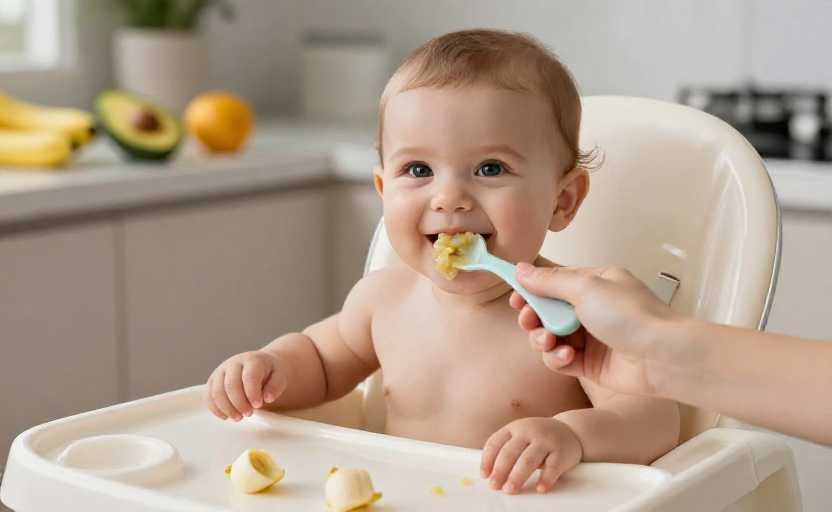
Don't tell me, eight out of ten parents in the recent outpatient clinics asked why their children caught colds every three days when they first entered kindergarten. Is it because their immunity is too low and they need to take supplements? Last week, my best friend came to me with half a bag of oseltamivir and azithromycin, saying that her 3-year-old baby had fever twice a week after entering the kindergarten, and half of the children in the same class asked for leave. She was so scared that she didn't dare to go to the class to watch over the baby every day. In fact, it’s not that the child’s immunity is weak, it’s mostly due to the lack of prevention of cross-infection. Many parents pick up their children from school and watch their children touch the slides and grab other people’s toys at the playground. Then they turn around and stuff their hands into their mouths to chew on them. At most, they wipe them with disinfectant wipes twice and it’s over. It would be strange if they don’t fall into this trap.
When it comes to disinfectant wipes, there is quite a bit of controversy here. One group of parents advocates "raising children aseptic", wiping the floor with chlorine-containing disinfectants every day, and disinfecting everything the children touch. The other group believes that "too much cleanliness will destroy the immunity" and let the children make whatever they want without preventing anything. Our clinical advice is to make a compromise: after going out and coming into contact with public items, wash your hands with running water and soap for 20 seconds first. If there are no conditions, it is okay to occasionally use alcohol-free disinfectant wipes for emergencies. However, do not spray disinfectant on your child's tableware and toys at home every day. Long-term over-disinfection will destroy the normal flora of the child's intestinal tract and make the child prone to stomach upset.
There is also a controversy that has been circulating for generations: Should a child cover his sweat when he has a fever? The older generation said that the fever would go away if they covered themselves with sweat. Young parents believed in popular science and said that they should dissipate heat, and they often quarreled at home because of this. In fact, you really don’t have to fall into one camp, it just depends on the baby’s condition: if the baby has cold hands and feet and is shivering all over due to fever, add a thin coat to him and rub the soles of his hands and feet to help warm him up. Don’t leave it dry to make him feel uncomfortable. ; If the baby's face is flushed with fever and he is sweating all over, he should quickly take off his thick clothes, wear loose cotton single clothes, and wipe his neck and armpits with a warm towel to dissipate heat. If you cover your baby hard, it will easily lead to febrile convulsions. Last winter, we had several babies who had convulsions after being covered by their grandparents. It was so unfair.
Oh, by the way, there are also digestive tract problems that are easily ignored by many parents. The child will either kick his legs and cry without diarrhea for three or four days, or he will not stop pooping after eating something cold. Many people’s first reaction is to buy probiotics, thinking that there is nothing wrong with regulating the intestinal tract. To be honest here, there are currently only two effective scenarios for probiotics confirmed by evidence-based medicine: antibiotic-related diarrhea and viral infectious diarrhea, and the corresponding specific strains are required to be effective. Ordinary probiotics are basically useless for constipation and indigestion. Many probiotics are also added with excessive prebiotics, which will make babies more bloated. I previously followed up a 5-year-old boy who had constipation once a month. He used half a box of Kaiselu and tried seven or eight types of probiotics, but nothing worked. Later, he listened to our advice to eat half a red pitaya with skin every day and run downstairs for 20 minutes after school. Within two months, he was completely normal. It is more effective than any other supplements.
There is also a question asked by parents about how old vitamin D should be supplemented. Different guidelines now have different opinions: domestic child care guidelines recommend supplementing until 2 years old, and European and American guidelines recommend supplementing until 18 years old. Our clinic generally recommends parents to look at the daily status of the child. If the child usually does not get much sunlight, is picky and does not like to eat eggs and milk, he can continue to supplement. 400IU per day is a safe dose and will not overdose. If the child runs outside every day and eats a balanced diet, it is okay not to supplement after 2 years old. Don’t have to listen to which side.
Oh, by the way, there is also a wave of hand, foot and mouth disease and herpetic angina that occur every spring. Don’t believe the advice of drinking isatis root and antiviral oral liquid to prevent these diseases. They are really useless. The most effective way to prevent infection is not to let your children chew their hands after touching public recreational facilities. If there are children in the class who are sick, don't get involved. Last year, in a kindergarten class, 18 of the 20 children got herpetic angina, and only two children were fine. Parents wash their hands immediately after taking their children to play on the slides, and never let their children share water bottles and toys with sick children. It is really more effective than any other home remedy.
We update this manual every year. It is based on real clinical experience. There is no fancy content. You can save it in your mobile phone and take a look at it next time your baby feels something is wrong. This will save you a lot of detours. Raising a baby is a matter of learning as you go, so don’t be too nervous. Babies are actually much more solid than you think.
Disclaimer:
1. This article is sourced from the Internet. All content represents the author's personal views only and does not reflect the stance of this website. The author shall be solely responsible for the content.
2. Part of the content on this website is compiled from the Internet. This website shall not be liable for any civil disputes, administrative penalties, or other losses arising from improper reprinting or citation.
3. If there is any infringing content or inappropriate material, please contact us to remove it immediately. Contact us at:
