Long-term plan to improve immunity
It is never a set of standardized schedules that you must strictly implement, nor does it require you to spend a lot of money on various supplements and work out hard despite fatigue, but a set of long-term behavioral fine-tuning that adapts to your own life rhythm with almost no additional burden, and there is no universal template that applies to everyone.
I helped my mother organize the locker a while ago and found half a cupboard of unopened lactoferrin, Ganoderma spore powder, and vitamin C effervescent tablets, all of which she bought following the trend of short videos, saying "you won't catch a cold after eating them." As a result, last winter she caught the flu three times in a row, and after the fever subsided, she coughed for almost a month. When she went to the hospital to check her immune indicators, all of which were normal, the doctor asked, "Have you slept too little recently, and you are tired from going out to square dance every day?" She realized that she had danced to 10pm every day for half a month in order to schedule the annual meeting, and she had to check her mobile phone until 12pm when she got home. She didn't get enough sleep, and all the supplements she took were in vain.
Nowadays, there are actually two mainstream schools of thought about improving immunity. One is the "hard-core interventionist", which advocates regular immune function testing and supplementing whatever is lacking. For example, supplementing if the immune globulin is low, and taking as needed if vitamin D is insufficient. This school's plan is indeed very useful for special groups - I have a friend who underwent cancer chemotherapy last year. The doctor asked him to check his immune indicators once a month and adjust his supplement intake accordingly. He has indeed not had many minor illnesses in the past six months. But the view of the other school of "natural adjustment" is also very reasonable: for the vast majority of healthy adults, the body's immune system itself is in a state of dynamic balance. Taking too many additional so-called "immune enhancers" may upset the balance. For example, excessive vitamin D supplementation can lead to hypercalcemia, and too much vitamin C may cause urinary tract stones. The "Dietary Guidelines for Chinese Residents" also clearly mentioned that as long as healthy people's daily diet can cover basic nutritional needs, the benefits of additional immune-related supplements are almost zero.
I myself have believed in the "Perfect Immunization Plan" uploaded online before, which required me to eat 12 kinds of fruits and vegetables, run 5 kilometers every day from 7 o'clock, and go to bed before 11 o'clock. Later I figured out that immunity is like a permanent security force in your body. If you stuff it with useless supplements every day, it will be like stuffing red envelopes randomly with security guards, which will easily make them slow down. If you suddenly increase the amount of exercise and forcefully change your work and rest, it will be like suddenly asking security guards to stand guard 24 hours a day, which will directly tire you out.
Speaking of this, I have to mention the sleep problem that many people tend to ignore. Don’t listen to others who say “you must sleep for 8 hours to be healthy.” I know a friend who makes game original paintings. He stays up until 2 a.m. to sleep all year round, and starts at 10 a.m. every day. I sleep enough 8 hours and have such a regular schedule that I rarely catch a cold all year round. On the contrary, another colleague of mine forces himself to go to bed at 10 o'clock every day and lies in bed tossing and turning until 12 o'clock, unable to fall asleep. Instead, he gets headaches every day and catches colds every season. There is actually no unified conclusion in the academic community about the relationship between sleep and immunity. Some studies say that going to bed early is more conducive to immune cell repair. Others say that as long as the sleep rhythm is stable and the duration meets your needs, there is little difference in the impact on immunity. To put it bluntly, if you feel comfortable when you wake up, that is the sleep rhythm that suits you.
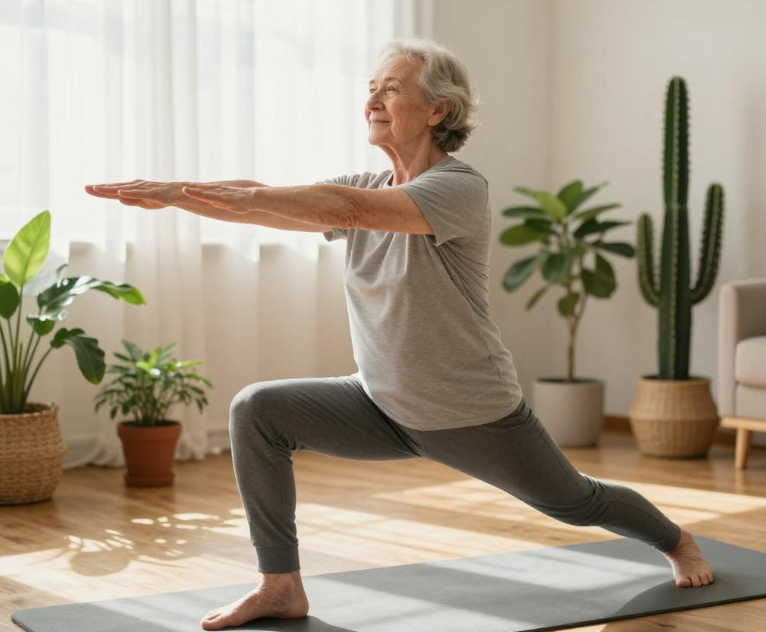
The same principle applies to exercise. Don’t just sit in the office all day, then suddenly run a half-marathon or pump iron for two hours on the weekend. A colleague of mine did this two years ago and was admitted to the hospital due to rhabdomyolysis. He stayed in the hospital for a week. His immunity collapsed for several months, and he would have a fever at every turn. If you don't like to exercise, taking one less bus stop to walk home from get off work every day, walking downstairs for 20 minutes after dinner, or even standing up and stretching for two minutes after sitting for a long time will be much more effective than your sudden exercise.
Don’t think that only eating, drinking, and exercising can affect your immunity. Emotions can secretly cause damage more than anything else. Last year, I had a school girl who failed the postgraduate entrance examination. She was bored at home for a month. Herpes broke out on the corners of her mouth twice, and she also got hives. She took medicine for a long time and had to take medicine over and over again. Later, she found a training institution as a teaching assistant, dealt with children every day, and went to visit stores with friends after get off work. Within two months, the rash was completely gone. This is not a mystery. When you are anxious or stressed for a long time, the cortisol level in your body will continue to increase, which will directly inhibit the activity of immune cells. It is equivalent to giving your security team a "no work" instruction, which is naturally prone to problems.
To put it bluntly, long-term improvement of immunity is essentially a process of getting in touch with your body. You don’t have to force yourself to compare with others, and you don’t have to pursue any “perfect plan.” If you like to drink milk tea, add less sugar, and if you don’t like to eat vegetables, just eat more every day. For an orange, after staying up late, sleep a little longer the next day to make up for it. Find those small habits that you can stick to for a lifetime and slowly adjust them. Once you feel comfortable, the security team in your body will naturally stand guard for you. It is more effective than expensive supplements or strict plans.
Disclaimer:
1. This article is sourced from the Internet. All content represents the author's personal views only and does not reflect the stance of this website. The author shall be solely responsible for the content.
2. Part of the content on this website is compiled from the Internet. This website shall not be liable for any civil disputes, administrative penalties, or other losses arising from improper reprinting or citation.
3. If there is any infringing content or inappropriate material, please contact us to remove it immediately. Contact us at: