
Drugs to relieve somatization of depression
There is currently no "specific drug" specifically targeting the somatization of depression. The mainstream clinical plan is to use conventional antidepressants as the core, combined with short-term auxiliary drugs to relieve specific symptoms, and must be combined with emotional regulation to truly solve the problem. It is almost impossible to eliminate the root cause by taking drugs alone.
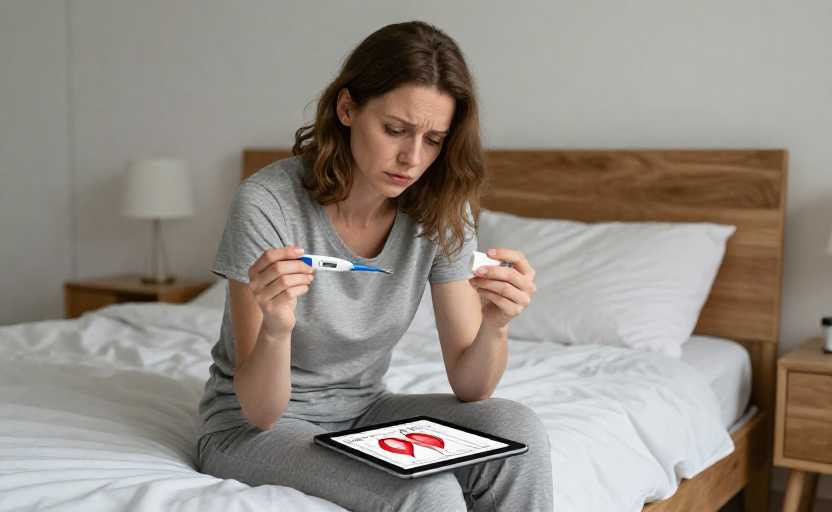
It means that you clearly feel pain all over your body, palpitation, chest tightness, and can't eat. You've been to the internal medicine, orthopedics, and neurology departments to check and there are no organic problems. Finally, the psychiatrist tells you that this is because your depression has nowhere to vent, and it has turned into physical symptoms. This is called depression somatization. The 28-year-old Internet planner Xiao Zhou I met during the follow-up consultation a few months ago is a typical example. He suffered from headaches for 8 months, took three brain CT scans, two cervical spine X-rays, and tried acupuncture and massage. Every time he felt pain, he couldn't even have the strength to type on the keyboard. In the end, the symptom scale was measured, and the depression was moderate, and the somatization item score was close to full. The doctor prescribed sertraline for him, starting with 50 mg per day and increasing it to 100 mg in the second week. He still felt a little nauseous for the first three days. After getting through it, he came for a follow-up visit in the third week and said that he only had pain once this week, and it was because he stayed up late and changed his plan. Before, he had to rely on painkillers five days a week.
Many people wonder, don’t these antidepressants treat “bad mood”? How can it still stop the pain? In fact, your body's pain signals and emotional signals share part of the transmission pathways in the brain. During a depression, neurotransmitters such as serotonin and norepinephrine are disrupted, which not only makes you unhappy, but also amplifies the pain signals. Even though you are not sick, you still feel The pain is excruciating. SSRI antidepressants such as "Five Golden Flowers" that everyone often hears about, and SNRI antidepressants such as duloxetine, adjust the levels of these neurotransmitters back to normal, which is equivalent to turning back the pain volume button that has been turned to the maximum, and the pain will naturally disappear.
Of course, not everyone can just take antidepressants. For example, in the first two weeks of taking the medicine, some patients have severe palpitations and trembling hands, and are unable to go to work normally. Doctors usually prescribe propranolol, also known as Betaloc, for a short period of time, half a pill a day to lower the heart rate, and then stop when the antidepressants take effect, so that they will not become dependent.; Some people are so painful that they can't sleep all night, so they will prescribe low-dose trazodone, which not only helps you get a good night's sleep, but also helps fight depression, and is more cost-effective than taking sleeping pills. If the somatization is particularly severe, for example, the pain is so severe that you can't get out of bed, and ordinary antidepressants are not effective, the doctor may also prescribe low-dose atypical antipsychotics, such as quetiapine and aripiprazole. Don't be afraid when you hear "psychiatric drugs". When used at low doses, they are used to regulate pain transmission, which is far from the dose used to treat schizophrenia.
Speaking of this, someone must have asked, I am afraid that taking Western medicine will have side effects, is it okay to use Chinese medicine? In fact, different clinical doctors have different views on this point. Most Western medicine practitioners believe that there is currently insufficient evidence to prove that traditional Chinese medicine can alone improve the somatization of depression and can at best be used as an auxiliary. ; But I have also seen many patients who have lost their appetite and gained slight weight after taking Western medicine. With the prescriptions prescribed by regular traditional Chinese medicine hospitals to soothe the liver and relieve depression, as well as acupuncture twice a week, the symptoms of chest tightness and abdominal distension do disappear faster. There are also studies saying that acupuncture can regulate serotonin levels and have a synergistic effect with antidepressants. But a word of warning, don’t believe in any folk prescriptions that say “pure Chinese medicine can cure somatization”. I met an aunt before who secretly stopped taking the sertraline prescribed by the doctor and bought “Chinese medicine pills” online. After taking it for half a month, the pain became worse. When I sent it for testing, I found out that a large dose of analgesics and diazepam were added to it. After taking it for a long time, liver and kidney problems will occur.
There is another common mistake that everyone makes: taking painkillers when it hurts. To be honest, it’s okay to take a pill of ibuprofen occasionally when the pain is unbearable. If you take it every day, it will not only damage your stomach and liver, but also mess up the pain regulation mechanism of your brain. The more you take it, the more painful it will be. There was a 40-year-old female patient who took 2 pills of ibuprofen every day for almost half a year. It was just a migraine at first, but eventually it turned into a headache every day. She stopped the painkillers and switched to duloxetine for a month, but she gradually got better.
What’s interesting is that after I have been following patients for so long, I have found that many patients recover best not just by taking medicine. For example, the little Zhou mentioned just now would play badminton two nights a week and break out a sweat. The effect was better than the 150 mg of sertraline the doctor gave him. Now he still gets headaches occasionally, but whenever he feels pain, he stops and walks for ten minutes without taking medicine at all. In fact, to put it bluntly, somatization of depression is a signal from your body, telling you that you are too tight. If you just take medicine to cover up the signal without solving the stress and emotional problems behind it, even if it is better this time, it will still happen next time.
Finally, I have to say something: All medications must be used under the evaluation and guidance of a regular psychiatrist. Don’t search for some information and buy random medicines. Don’t feel ashamed of taking medicine. If you have a headache, there is no shame in taking painkillers. If you have a cold, there is no shame in taking some medicine to regulate your mood.
Disclaimer:
1. This article is sourced from the Internet. All content represents the author's personal views only and does not reflect the stance of this website. The author shall be solely responsible for the content.
2. Part of the content on this website is compiled from the Internet. This website shall not be liable for any civil disputes, administrative penalties, or other losses arising from improper reprinting or citation.
3. If there is any infringing content or inappropriate material, please contact us to remove it immediately. Contact us at:
